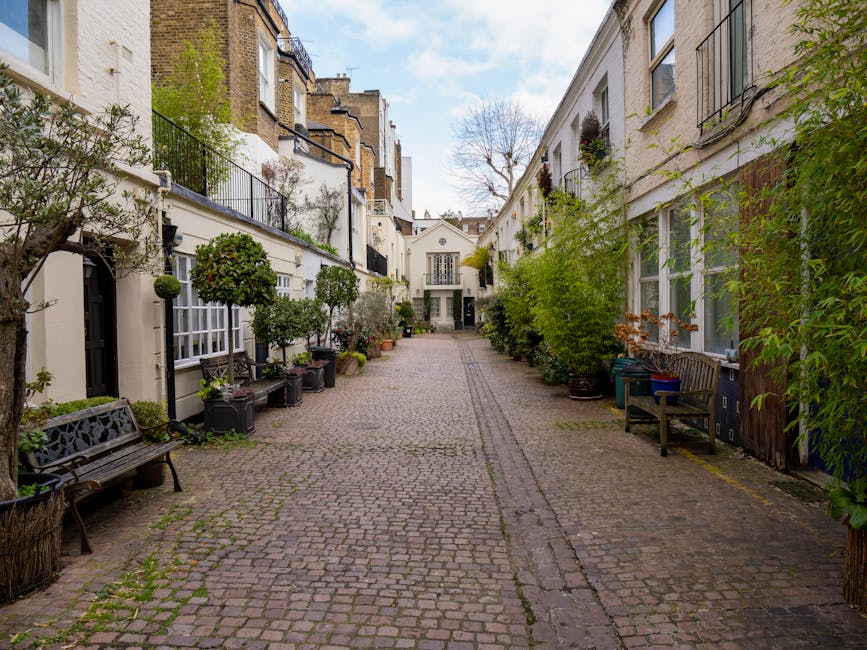
Access Problems for Gardeners in Kensington Mews and Basements
Kensington properties can be beautiful, but let's be honest, they are not always easy to work in. Narrow mews lanes, awkward basement steps, shared entrances, low light, and tight turning spaces can turn a simple garden visit into a careful bit of choreography. If you are dealing with access problems for gardeners in Kensington mews and basements, the issue is rarely just "getting through the door". It affects what equipment can be brought in, how waste is removed, how safely work can be completed, and how much time the job really takes.
This guide breaks down the practical realities in plain English. You will learn what access challenges usually look like, why they matter, how experienced gardeners plan around them, and what you can do to make work smoother. If you manage a mews garden, a basement courtyard, or a split-level urban space, this should help you make better decisions before the first tool bag even arrives.
Why Access Problems for Gardeners in Kensington Mews and Basements Matters
Access affects almost every part of garden work. In Kensington, that matters more than people first expect. A front garden may look modest from the street, but once you factor in a steep stairwell, a narrow side passage, an internal basement route, or a mews courtyard reached through shared gates, the practical setup can become quite delicate.
Why does it matter so much? Because poor access can lead to slow work, damaged surfaces, missed maintenance, and avoidable strain on both the gardener and the property. A lawn mower that would be fine in a normal suburban garden may simply not fit down a tight staircase. Large bags of green waste can become awkward to carry through a basement hall. Even something as ordinary as a hedge trim can need extra planning if ladders, cuttings, and waste all have to move through a narrow route.
There is also the neighbour factor. Mews streets and basement homes often have shared walls, shared entrances, or close neighbouring windows. That means noise, mess, and movement all need to be managed with more care. You do not want a quick visit becoming a disruption for half the building. Truth be told, access is one of those things people only notice when it goes wrong.
Good access planning also helps protect the quality of the garden itself. If a crew has to work around a difficult route, it may change how frequently they can visit, what tools they bring, and how they remove waste. That can affect the finish of routine tasks like garden maintenance, lawn mowing, or hedge trimming. In some cases, it even changes which services are realistic on the day.
Expert summary: In tight Kensington properties, access is not a minor detail. It is often the deciding factor between a smooth visit and a stressful one. The best results usually come from planning the route, waste handling, and equipment choice before work starts.
How Access Problems for Gardeners in Kensington Mews and Basements Works
There is no single access problem. There are usually several layered together. A mews property may have a narrow frontage but decent rear access. A basement flat may have a perfectly tidy courtyard, but the route down to it might be steep, dim, and twisty. A "simple" job can become a puzzle of movement, timing, and safety. Not dramatic, just practical.
In practice, a gardener will usually think through five things before starting:
- Entry route - how people and tools get in and out.
- Equipment size - whether tools can fit through doors, stairwells, or passageways.
- Waste removal - how clippings, soil, branches, or clearance waste will leave the site.
- Surface protection - whether floors, steps, and thresholds need covering.
- Work sequencing - what should be done first so the route stays clear.
That last one is easy to underestimate. If waste is not bagged in the right order, or if a gardener brings in everything at once, the route can clog up quickly. In a basement property, especially, one forgotten bag at the wrong point can turn into a bit of a back-and-forth dance. Nobody enjoys carrying the same trimmings twice. Nobody.
Access problems also change the kind of service that makes sense. For example, a one-off heavy clearance job may be possible, but it might require more time, a smaller team, or a staged approach. Routine visits are often easier than big seasonal overhauls because less material needs to move at once. If the garden is overgrown, a first visit may be more about reducing bulk than producing a perfect finish, with follow-up maintenance handled later through a garden clearance or ongoing care plan.
Some homeowners worry that awkward access means the work cannot be done properly. Usually that is not the case. It just means the job needs a more thoughtful method. A good professional will ask the right questions upfront rather than guessing on arrival. That alone can save a lot of hassle.
Key Benefits and Practical Advantages
It may sound odd to talk about benefits in a section about access problems, but there are real advantages to handling the issue well. A property with challenging access can still be looked after beautifully if the workflow is clear.
- Fewer delays: A planned route means less stopping and starting.
- Better protection for interiors: Floors, walls, and stair edges are less likely to be scuffed.
- Safer work: Smaller, well-chosen equipment reduces trip hazards and strain.
- Cleaner finishes: Work is less likely to leave debris in hallways or shared areas.
- More realistic quotes: The time and complexity can be assessed properly from the start.
- Less neighbour friction: Neighbour-friendly timing and movement reduce complaints.
There is also a quality benefit. When gardeners are not fighting the route, they can focus on the actual garden. That sounds obvious, but it makes a genuine difference. A team that arrives prepared can spend its energy shaping borders, clearing dead growth, or restoring a courtyard, rather than wrestling a machine through a half-open gate.
For basement gardens, the benefit is often psychological too. These spaces can feel shut in and difficult to manage, especially if they have limited daylight or awkward storage. Once the access system is sorted, maintenance becomes less of a headache. The space starts to feel usable again. That matters more than people admit, especially in London homes where outdoor space is at a premium.
If your garden has structural features like steps, retaining walls, decking, or tight side passages, it may also be worth thinking about the broader layout. Services such as landscaping and decking services can sometimes improve how the space works as a whole, not just how it looks.
Who This Is For and When It Makes Sense
This topic is most relevant if you are a homeowner, landlord, managing agent, or tenant responsible for a mews garden, basement courtyard, or split-level outdoor area in Kensington. It also matters if your gardener has ever said things like, "We can do it, but we need to check the route first." That is usually a good sign, by the way. It means they are thinking ahead.
You may need special access planning if you have any of the following:
- narrow or shared mews entrances
- basement stairs leading to the garden
- internal access only, with no direct outdoor route
- limited street parking for equipment loading
- restricted storage for tools and waste bags
- fragile flooring, polished stone, or narrow hallway finishes
- children, pets, or residents moving through the same space during work
It also makes sense to think about access before seasonal jobs. Spring clear-ups, autumn leaf work, and post-storm tidying often create more waste than people expect. One crisp October morning can fill a few bags fast. If your route is already tight, that extra volume matters. A lot.
Landlords and agents should pay attention too. Access difficulties tend to show up in repeat jobs, and if they are not documented, every visit starts from scratch. A simple note about stair widths, gate codes, or surface sensitivity can make future maintenance far smoother. If you want a broader service structure rather than ad hoc visits, it may help to review the available services overview and decide what suits the property best.
Step-by-Step Guidance
Here is a practical way to handle access problems without turning the whole thing into a project.
- Walk the access route in advance. Check gates, stairs, corners, door widths, and any low ceilings or awkward turns.
- Measure the pinch points. Even rough measurements help. A spade, mower, or waste sack is only useful if it physically fits.
- Identify the waste path. Decide where clippings, soil, and prunings will go, and which route avoids damage.
- Protect vulnerable surfaces. Put down coverings where needed, especially on stone steps, internal floors, or painted thresholds.
- Choose the right equipment mix. Smaller hand tools can outperform bulky machines in confined spaces.
- Sequence the work sensibly. Start with clearance, then fine detail work, then finishing tasks like mowing or edging.
- Confirm resident movement. Make sure everyone knows which entrance to use and when the route must stay clear.
- Review the outcome. After the first visit, note what worked and what did not. Next time is usually easier.
If the access route is particularly difficult, it may be worth splitting the work into stages. For instance, one visit to reduce volume, another to tidy and finish. That can feel slower at first, but it often saves stress and gives a better end result.
A small but useful habit: take a couple of photos before the work begins. Not for drama. Just for clarity. A picture of the stairway, the gate, or the basement doorway can help everyone remember what the job looked like before tools and bags started moving through. Simple, but handy.
Expert Tips for Better Results
In our experience, access problems get easier when people stop treating them as a last-minute nuisance and start treating them as part of the job specification. That mindset shift does a lot of heavy lifting.
- Use lighter loads more often. Smaller waste bags are easier to carry through tight routes than overfilled ones.
- Keep one route clear. Do not let tools, compost, and waste compete for the same narrow path.
- Work top-down where possible. Cut, collect, then carry out. It avoids re-tracing muddy footprints.
- Think about noise timing. Mews streets can carry sound surprisingly well in the morning.
- Plan for the weather. Wet steps and damp leaves are a poor combination. Understatement of the year, perhaps.
- Ask about shared access rules. Some buildings have unwritten habits as well as formal requirements.
- Use maintenance to reduce future access strain. Smaller, regular visits are often easier than big sporadic ones.
Another good tip is to think about long-term site improvement. If access issues recur, the property may benefit from small design changes rather than repeated workarounds. Better path layout, smarter planting, or a more manageable surface finish can all reduce friction. Services such as landscape gardening can help with that kind of planning when the garden itself is the root of the problem.
And one more thing: do not assume a wide-looking entrance means easy access. A doorway can look generous and still hide a tight turn immediately beyond it. Kensington properties are full of these little tricks. Charming, in their own way. Slightly annoying, too.
Common Mistakes to Avoid
Most access problems are manageable. The bigger issue is the avoidable mistake that makes them worse.
- Not checking the route in advance. This is the classic one. It leads to wasted time and awkward surprises.
- Booking a service without describing the access properly. "It's fine, just a small garden" is not enough detail.
- Forgetting waste removal. A garden can look small until the clippings pile up.
- Using oversized equipment by default. Bigger is not always better in mews and basement spaces.
- Ignoring shared areas. Hallways, courtyards, and stairs need protection as much as the garden does.
- Leaving access notes in someone's inbox only. Keep the important details in one clear place.
- Trying to do too much in one visit. Sometimes the smart move is a staged approach.
A quieter mistake is assuming the gardener should "just manage somehow". Professional gardeners can solve a lot, but they are not magicians. If access is very tight, honest information allows them to bring the right tools and quote properly. That is better for everyone. No one likes surprises when they are carrying compost down a basement stair.
If the job involves overgrown trees or blocked side access, tree work may also need to be planned separately. In those cases, tree lopping and removal can be relevant, especially where branches are restricting movement or light.
Tools, Resources and Recommendations
You do not need a shed full of specialist gear to manage access issues well. What you do need is the right mix of simple tools, careful planning, and a bit of common sense.
| Need | Useful approach | Why it helps |
|---|---|---|
| Narrow stair access | Smaller hand tools, split waste loads, surface protection | Reduces strain and lowers the risk of scrapes or knocks |
| Shared mews route | Clear timing, tidy staging, minimal clutter | Keeps neighbours comfortable and the route usable |
| Basement courtyard | Good lighting, careful loading, staged waste removal | Makes movement safer in a confined space |
| Regular upkeep | Routine visits through garden maintenance | Prevents the site from becoming too difficult to manage later |
| Post-clearance reset | Targeted clearance before routine care | Removes the bulk that makes access harder in the first place |
For many Kensington properties, the most useful "resource" is simply a well-written access note. Keep it short but specific. Mention gate widths, stair direction, where bags can be stacked temporarily, and any parts of the route that should not be used. It sounds basic. It is basic. But basic things are often the ones that save the day.
Where sustainability matters, ask how green waste is handled and whether recyclable materials are separated where practical. You can also review a provider's recycling and sustainability approach if you want reassurance that waste will be managed responsibly.
Law, Compliance, Standards, or Best Practice
For garden access in mews and basement settings, the main concern is usually best practice rather than a single dramatic rule. That said, safe working methods matter. If a gardener is carrying tools through shared entrances, working near steps, or moving heavy waste bags, the setup should reduce risk rather than add to it.
In a UK context, responsible providers generally consider the following:
- Health and safety planning for manual handling, slips, trips, and awkward carrying routes
- Property protection for floors, walls, doors, and thresholds
- Insurance awareness so everyone understands what is covered if accidental damage occurs
- Clear communication about access arrangements, timings, and shared areas
- Respect for neighbours in close urban settings where noise and clutter travel quickly
If you are choosing a provider, it is sensible to ask how they work safely in confined spaces and what they do when access is too tight for standard equipment. That is where pages like health and safety policy and insurance and safety can help you understand the company's approach before anyone steps through the gate.
There is also a practical accessibility angle. Even though gardening is not usually discussed in the same breath as accessibility planning, the same core idea applies: the environment should be usable and safe for the people doing the work. If access is difficult, the solution should be thought through, not improvised on the spot. That is just good practice.
Options, Methods, or Comparison Table
Different access problems call for different methods. Here is a simple comparison of the most common ways gardeners handle challenging Kensington sites.
| Method | Best for | Pros | Trade-offs |
|---|---|---|---|
| Standard full-service visit | Reasonably open mews gardens or basement courtyards with manageable routes | Efficient, straightforward, best for routine work | May not suit tight stairs or awkward waste removal |
| Staged visit | Overgrown gardens or sites with limited carrying space | Safer, more controlled, easier to keep tidy | Can take more than one appointment |
| Hand-tool-led visit | Very narrow access, fragile interiors, small basement plots | Flexible and surface-friendly | Slower than machine-led work |
| Access-improving landscaping | Repeated access friction or awkward site layout | Solves the underlying layout issue | Requires planning and investment |
If the issue is mainly regular upkeep, a maintenance-led approach is usually the easiest. If the garden is badly neglected, a one-off reset may be needed first. And if the access route itself is the problem, a rethink of the garden layout may pay off over time.
Case Study or Real-World Example
Here is a typical Kensington scenario. A basement flat has a small courtyard reached by a narrow internal stairwell. The space is pleasant but overlooked, and after a wet winter the borders are overgrown, leaves have built up, and the paved steps are a bit slippery. The resident wants a tidy, usable garden, but the access route is tight enough that a large mower would be more trouble than it is worth.
The sensible approach is not to force everything through at once. First, the route is checked and protected. Then the worst of the bulk is removed by hand, with waste bagged in smaller loads so the stairwell stays clear. After that, pruning and edging are done in stages, and the area is left tidy enough for the resident to move around comfortably. A follow-up maintenance schedule is then set so the garden does not slide back into the same condition.
What made the difference? Not a miracle tool. Just planning. The job looked difficult at the start, but the access route, waste method, and timing were all considered before work began. By the end, the space felt lighter and more open. That can be surprisingly uplifting in a basement home, especially on a grey afternoon when even a small patch of green makes the place feel bigger.
In cases like this, it is often worth combining clearance with ongoing care rather than waiting until the garden becomes hard to enter again. A first reset through garden clearance followed by routine care is often the most workable route.
Practical Checklist
Use this checklist before booking or starting work on a mews or basement garden.
- Have you checked gate widths, stair turns, and doorway clearances?
- Do you know where tools and waste will be stored during the visit?
- Is the route safe for repeated carrying without damaging floors or walls?
- Have neighbours or building management been informed if shared access is involved?
- Is the work likely to need smaller, hand-held tools rather than larger machines?
- Have you planned where green waste will go once it is bagged?
- Are there fragile surfaces, pets, or children to consider?
- Would the job be better handled as a staged visit?
- Do you need ongoing support rather than a one-off tidy-up?
- Have you chosen a provider that understands tight-access work in Kensington properties?
Quick takeaway: if access is tricky, clarity is your best tool. A few accurate details upfront usually save more time than any piece of equipment can.
Conclusion
Access problems for gardeners in Kensington mews and basements are common, but they are far from impossible. The key is to treat access as part of the job, not an afterthought. Once the route, waste handling, and surface protection are thought through, even awkward gardens become much more manageable.
That is really the heart of it. A well-planned visit is calmer, cleaner, safer, and usually better value in the long run. Whether you need regular maintenance, a one-off clearance, or a broader rework of the space, the right approach begins with understanding how people and tools will actually move through the property. Simple idea. Big difference.
If you are still shaping the best approach for your property, it can help to explore the team's about us page, review the available pricing and quotes information, or make direct contact once you have your access details ready. A clear first conversation is often the easiest way to avoid a messy second one.
Get a free quote today and see how much you can save.
And if your garden has been a bit of a squeeze lately, don't worry. With the right plan, even a tricky Kensington space can feel workable again.
Frequently Asked Questions
What are the most common access problems for gardeners in Kensington mews and basements?
The most common problems are narrow entrances, basement stairwells, shared passages, limited waste removal routes, and tight corners that prevent larger tools from moving safely.
Can gardening still be done if access is very tight?
Usually yes, but the method may need to change. Smaller tools, staged visits, and hand-carried waste bags often work better than trying to use standard equipment everywhere.
Do basement gardens take longer to maintain?
They often do, especially if the route in and out is awkward. Even a small garden can take more time if every bag of clippings has to travel through steps or an internal corridor.
How should I prepare my Kensington property before a gardener arrives?
Check the access route, move anything fragile out of the way, confirm any gate codes or entry instructions, and let the gardener know where waste can be staged safely.
What if my garden can only be reached through the house?
That is workable in many cases, but it needs careful planning. Floors should be protected, the route kept clear, and waste removal thought through before the job starts.
Is it better to book one big visit or several smaller ones?
For difficult access, several smaller visits are often easier and safer. A single big visit can be efficient, but only if the access route and waste handling are genuinely manageable.
Will access problems make the job more expensive?
They can, because more time, labour, or protection may be needed. The exact cost depends on the route, the amount of waste, and whether the work needs to be split into stages.
What should a gardener know before working in a mews property?
They should know the route, the parking or unloading situation, whether the entrance is shared, where waste can go, and whether any surfaces need protection from damp, soil, or tools.
Are there safety concerns with basement garden work?
Yes. Basement steps, low light, carrying loads, and slippery surfaces can all create risks. Good planning and proper handling reduce those risks significantly.
Can access issues be solved by changing the garden layout?
Sometimes, yes. Better pathways, smarter planting, or adjusted hard landscaping can make the space easier to work in and reduce recurring access frustrations.
How do I know if I need garden clearance before maintenance?
If the garden is overgrown, full of debris, or hard to move through, clearance first is usually the better choice. It creates space so routine maintenance can actually be effective.
What is the best first step if I am not sure how difficult the access really is?
Walk the route and describe it clearly to the gardener. Mention steps, widths, shared access, and any awkward turns. That first conversation usually reveals whether the job is straightforward or needs a more tailored plan.