Gardeners serving Gloucester Road and South Kensington
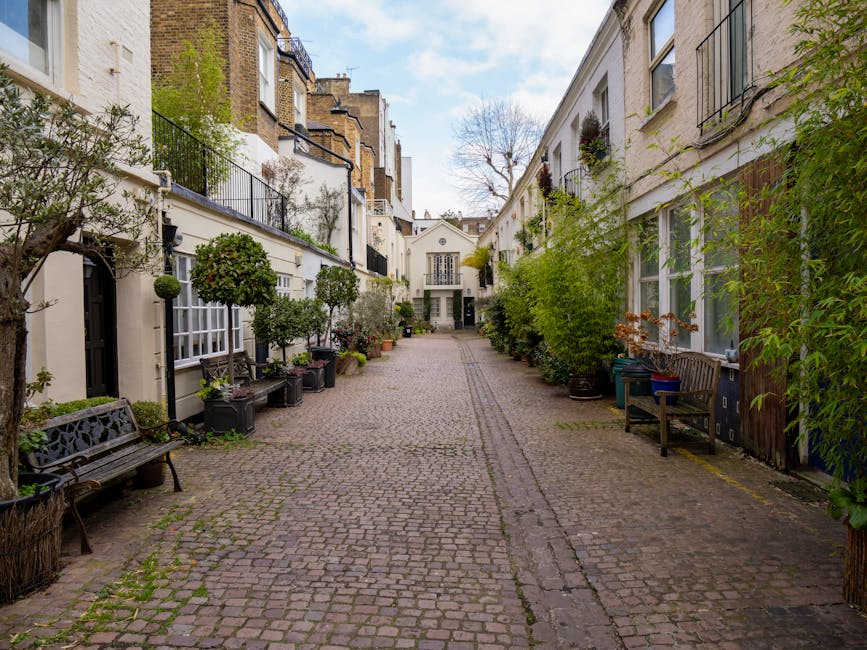
If you live or work near Gloucester Road or South Kensington, you already know the gardens here can be a little different. Some are compact courtyard spaces, some are elegant terraces, and some are tiny but surprisingly demanding patches that seem to need attention every other week. Gardeners serving Gloucester Road and South Kensington have to work neatly, efficiently, and with a real eye for detail. That matters more than people think.
This guide explains what local gardening support usually involves, how the service works, what to expect from a professional gardener, and how to choose the right help for your outdoor space. Whether you need ongoing care, a one-off tidy-up, or something more involved, you'll find the practical stuff here without the fluff.
To be fair, a good garden can make an entire property feel calmer, brighter, and more finished. A neglected one can do the opposite. Let's get into the details.
Why Gardeners serving Gloucester Road and South Kensington Matters
Gardens in this part of London often sit between presentation and practicality. Many properties are valued as much for their outdoor appearance as for the interior space, so regular care is not just a nice extra. It protects the look, usability, and long-term condition of the garden.
In Gloucester Road and South Kensington, space is often limited and access can be awkward. That means gardening work has to be planned carefully. Moving tools through tight side access, handling waste discreetly, and working around neighbours or building rules all takes experience. A rushed approach can leave a tidy border looking patchy, or a lawn looking worse after "maintenance" than before it.
There is also the seasonal side of it. Spring growth arrives quickly, and summer can turn small issues into bigger ones fast. A hedge that seemed fine in April can start leaning into paths by June. A lawn that looked healthy after winter may develop thinning areas if it is cut too short or too infrequently. Regular gardening support helps catch those changes early, which is the difference between light maintenance and a bigger restoration job later on.
Expert summary: local gardening service is most valuable when it is consistent, tidy, and adapted to the realities of London plots rather than handled like a generic suburban garden.
If you want a wider overview of what a professional team can handle, the services overview is a sensible place to start. It gives you a clearer picture of how different garden tasks fit together rather than treating every job as isolated.
How Gardeners serving Gloucester Road and South Kensington Works
Most garden services start with a quick understanding of the site. That might be a front garden, a rear courtyard, a shared building area, or a private terrace that needs regular upkeep. The gardener will usually look at access, size, plant condition, waste volume, and any safety concerns before suggesting the right approach.
For routine visits, the work is often straightforward but varied: lawn care, hedge shaping, weeding, pruning, leaf clearance, seasonal planting, and general tidying. For one-off jobs, it may be more about bringing a space back under control after a period of neglect or after renovation work. Truth be told, some gardens just need a reset. You know the kind - half a season of leaves, pots, clippings, and that one stubborn corner no one has touched since last autumn.
In a well-run service, there is usually a rhythm to the process:
- Assess the garden and agree on priorities.
- Decide whether the task is maintenance, clearance, landscaping, or a mix.
- Carry out the work with suitable tools and safe handling of waste.
- Check the result for finish, symmetry, access, and plant health.
- Agree a follow-up schedule if the space benefits from ongoing care.
If the work involves more than simple upkeep, it may connect to other services such as garden maintenance, lawn mowing, or hedge trimming. That joined-up approach usually gives better results than booking each task in isolation.
Key Benefits and Practical Advantages
There are obvious benefits, and then there are the ones people only notice after a few months. The obvious ones are kerb appeal, better plant health, and a cleaner, more usable space. The less obvious ones are time savings, fewer seasonal surprises, and less stress about small jobs building up.
- Better presentation: a well-kept garden makes flats, townhouses, and managed properties feel more cared for.
- Healthier growth: regular pruning and mowing stop plants and lawns from slipping into decline.
- Safer access: clear paths, controlled growth, and reduced clutter help avoid trip hazards.
- Less waste buildup: leaves, branches, and cuttings are handled before they become a nuisance.
- More predictable upkeep: once a rhythm is set, the garden is easier to manage through the year.
There is also a simple emotional benefit: you use the space more. People sit outside longer when the area feels finished. A small patio suddenly becomes somewhere to have tea in the morning, even in March when the air is still a bit sharp. That matters, especially in London, where outdoor space is precious and often underestimated.
If your project needs more than maintenance, it can help to compare the broader options on landscaping or landscape gardening. Those pages are useful when you are deciding whether a garden just needs care or a more structured redesign.
Who This Is For and When It Makes Sense
This kind of service suits a wide mix of people. Some want help because they do not have the time. Others physically cannot do the heavier work. Some simply want their outdoor space to look better without spending entire weekends wrestling with it.
It often makes sense for:
- busy professionals who need routine upkeep without the hassle
- landlords and letting agents managing move-in or move-out presentation
- homeowners preparing for guests, photography, or resale
- older residents who want the garden managed safely and properly
- buildings with shared garden spaces that need regular coordination
- people returning from a holiday or extended absence to find the garden has run away a bit
Sometimes the decision is not about a grand plan. It is just about stopping the garden from getting ahead of you. That is often the honest point where people call in help. And yes, that is perfectly sensible. No shame in it.
You may also need a specialist if trees, overgrowth, or stubborn boundary growth are becoming an issue. In those cases, tree lopping and removal can be relevant, especially if branches are interfering with light, access, or safety.
Step-by-Step Guidance
If you are thinking about booking garden help, a simple process keeps things tidy from the start. Here is a practical way to approach it.
- Identify the goal. Do you want a one-off tidy-up, seasonal maintenance, or a larger transformation?
- Walk the garden properly. Note problem areas: overgrown edges, patchy lawn, dense hedges, wasted space, broken surfaces, or clogged borders.
- Separate urgent tasks from cosmetic ones. Safety and access come first. Then the appearance stuff.
- Decide what can be maintained versus what needs replacing. Some plants can be revived. Others are just done, frankly.
- Ask about the work plan. A good gardener should be able to explain what will happen, in what order, and why.
- Check waste handling. If there will be cuttings or green waste, make sure the removal method is clear.
- Set a follow-up rhythm. Even modest gardens usually benefit from routine visits rather than sporadic rescue missions.
If the job has become bigger than upkeep, you might need a clearance first. That is where garden clearance becomes useful. It is often the reset point before ongoing maintenance can actually work.
Expert Tips for Better Results
After years of looking at small urban gardens, one thing stands out: the best results usually come from restraint, not overdoing things. A neat garden is not the same as a hard-cut garden.
1. Cut less than you think, especially on hedges. Over-trimming can leave gaps that take ages to recover. A clean, measured cut almost always looks better.
2. Keep lawn height sensible. Cutting too short in one go can stress the grass. Light, regular mowing is safer and usually neater.
3. Clear before you prune. It is easier to see what needs attention when old leaves and clutter are removed first.
4. Match plants to the space. In tight London gardens, low-maintenance planting often outperforms complicated borders that need constant fussing.
5. Think about light. South Kensington gardens can be shaded by buildings, walls, or mature planting. That changes what will thrive. Not every plant is a hero in shade.
6. Protect access routes. Pathways, bins, side returns, and service access matter. A professional should leave those clear, not just make the centre of the garden look good.
One small but important point: if you have decking or hard landscaping in the garden, cleaning and edge care matter too. The surface itself may be fine, but the planting around it can quickly make the whole area feel untidy. That is where related services like decking services can be part of a broader plan.
Common Mistakes to Avoid
Garden work is easy to underestimate. A quick tidy can become a mess if it is rushed, and a bit of poor advice can create months of extra work.
- Choosing based on price alone. Cheap is not always bad, but the lowest quote with no clear scope can lead to cut corners.
- Ignoring access issues. Tight front paths, shared entries, and storage constraints matter more in London than people expect.
- Over-pruning in one visit. Some plants do recover. Some just sulk. Hard.
- Letting weeds establish for too long. Once they root deeply, removal becomes slower and more disruptive.
- Forgetting seasonal timing. Hedges, lawns, and planting schemes all behave differently through the year.
- Assuming all gardening is the same. Maintenance, landscaping, clearance, and tree work are related, but not interchangeable.
A really common one? People ask for "just a tidy-up" when the garden actually needs a sequence: clearance first, then shaping, then maintenance. That order matters. A lot, actually.
Tools, Resources and Recommendations
Professional gardeners use a mix of manual and powered tools depending on the job. For most local properties, the important thing is not the brand of equipment but whether it is suitable for the size and access of the space.
| Task | Typical approach | What to watch for |
|---|---|---|
| Lawn care | Regular mowing, edge finishing, occasional scarifying or feed planning | Cut height, wet grass, and patchy areas |
| Hedge work | Careful trimming, shaping, and seasonal control | Bird nesting season sensitivity and overcutting |
| Garden tidy-ups | Manual clearing, raking, and waste collection | Hidden debris, broken pots, and access bottlenecks |
| Planting and borders | Soil prep, replanting, mulching, and spacing adjustments | Shade levels, drainage, and maintenance load |
| Hardscape touch-ups | Integration with surfaces, edges, and practical access | Slips, trip points, and water run-off |
For customers who prefer predictable upkeep, regular service plans are often better than emergency visits. If you are comparing service style and scope, the pricing and quotes page is useful for understanding how enquiries are handled and what details help generate a proper estimate.
And for people who simply want reassurance that a business has broader operational standards in place, pages like insurance and safety and health and safety policy can help you check the practical side without needing to read a small mountain of print. Nobody has time for that on a Tuesday afternoon.
Law, Compliance, Standards, or Best Practice
Gardeners working in London should follow sensible safety and waste-handling practices, and reputable businesses normally make those standards part of their routine. For the customer, the main thing is to look for careful working methods rather than relying on vague promises.
Some areas where best practice matters include:
- Waste handling: green waste should be managed responsibly and removed in a tidy, traceable way where included in the service.
- Safety: tools, ladders, cutting equipment, and manual handling should be used cautiously, especially in compact or shared spaces.
- Property protection: plants, windows, paving, and boundary features should be treated carefully during access and work.
- Neighbour awareness: in dense streets, good timing and considerate noise control make a real difference.
- Environmental care: using materials and methods sensibly helps reduce waste and unnecessary disruption.
If sustainability matters to you, it is worth asking how cuttings, debris, and reusable materials are dealt with. A practical approach to recycling and sustainability is a good sign that the service is thinking beyond the immediate job.
Also, if you are dealing with a building with shared access or regular contractor visits, clear expectations help. That includes how work is scheduled, how issues are reported, and what happens if the scope changes mid-job. Straightforward, but easy to skip if nobody asks.
Options, Methods, or Comparison Table
People usually choose between three broad approaches: one-off work, regular maintenance, or a more complete landscaping project. Each has its place.
| Option | Best for | Pros | Possible drawback |
|---|---|---|---|
| One-off tidy-up | Overgrown or neglected gardens | Fast reset, visible improvement | Problem may return without follow-up |
| Regular maintenance | Homes, flats, and managed properties | Consistent appearance, less stress | Requires ongoing scheduling |
| Landscaping project | Reworking layout, surfaces, or structure | Improves usability and long-term value | Takes more planning and budget |
For many properties near Gloucester Road and South Kensington, the sweet spot is a mix: a sensible maintenance plan backed by occasional deeper work. That might include hedge control in spring, lawn care through the growing season, and a clearance before winter. Small rhythm, big difference.
Case Study or Real-World Example
Here is a realistic example. A compact rear garden behind a South Kensington townhouse had become difficult to use. The lawn was thin and uneven, the borders were crowded, and there was a layer of clipped material and leaf debris sitting around the edges. Nothing dramatic. Just enough to make the space feel tired.
The first step was not design work. It was clearing the clutter and bringing the structure back into view. Once the waste was removed, it became easier to see the actual shape of the garden. The hedge line needed light trimming, the lawn needed careful cutting rather than a hard scalp, and the borders needed a cleaner edge. The owner did not want a full redesign, just a space that felt manageable again.
After the reset, the plan shifted to maintenance. That is usually the turning point. The garden stops feeling like a project you dread and becomes a space you can actually keep on top of. Nothing magical, just steady care and a decent eye for proportion. The kind of thing you notice when you open the door on a grey morning and think, well, that looks better already.
Practical Checklist
Use this checklist before booking a gardener or planning a visit.
- Have you identified whether the job is maintenance, clearance, or landscaping?
- Is access clear for tools, waste, and safe movement through the property?
- Do you know which areas matter most: lawn, hedges, borders, trees, or hard surfaces?
- Are there any fragile plants, shared spaces, or neighbour-sensitive areas to protect?
- Have you decided whether this is a one-off job or part of a recurring plan?
- Do you need waste removed as part of the service?
- Have you checked whether safety and insurance information is available?
- Do you want a light tidy or a more thorough reset?
- Is there any seasonal timing issue, such as pruning windows or nesting concerns?
- Have you asked for a clear written scope so the work is understood upfront?
Quick practical takeaway: the more clearly you define the outcome, the better the gardening work tends to go. Vague instructions usually lead to vague results. Sadly, that part never changes.
Conclusion
Gardeners serving Gloucester Road and South Kensington need to do more than keep things neat. They need to work with tight spaces, varied property types, seasonal pressure, and the kind of presentation standards that make local outdoor areas feel cared for. When that is done well, the garden becomes easier to live with and more pleasant to look at. Simple as that.
The best results usually come from a thoughtful mix of maintenance, clear communication, and a realistic plan for the space you actually have. Not the fantasy garden in your head. The real one, with the narrow side return and the slightly stubborn hedge. That one can still look very good.
If you are comparing services, take a moment to explore the team's broader approach on the about us page and review practical details such as payment and security. A good fit is usually obvious once the scope and standards are clear.
Get a free quote today and see how much you can save.
And if you are still on the fence, that is fair enough. A short conversation can tell you a lot, and sometimes that is all it takes to turn a neglected outdoor space into somewhere you actually enjoy again.
Frequently Asked Questions
What do gardeners serving Gloucester Road and South Kensington usually do?
They typically handle lawn care, hedge trimming, weeding, pruning, planting support, garden clearance, seasonal tidy-ups, and sometimes more detailed landscaping work. The exact mix depends on the property and what the garden needs most.
How often should a London garden be maintained?
It depends on the size of the space and how fast things grow. Many gardens benefit from regular visits during spring and summer, then lighter attention in autumn and winter. Smaller gardens can still need frequent checks because growth and debris build up fast.
Is a one-off tidy-up enough for an overgrown garden?
Sometimes, yes. But if the space has been neglected for a while, a one-off tidy-up may only be the first step. It is common to clear and reset the garden first, then move into regular maintenance afterwards.
What is the difference between garden maintenance and landscaping?
Garden maintenance is about keeping an existing garden in good shape. Landscaping is more about changing the layout, structure, or features of the space. If you are improving the garden rather than simply maintaining it, landscaping may be the better fit.
Do I need garden clearance before maintenance?
If the garden is cluttered with waste, heavy leaf build-up, broken items, or overgrowth, then yes, clearance first usually makes sense. Maintenance works better once the space is back under control.
Can gardeners help with small courtyards and terrace gardens?
Yes, and these are very common around Gloucester Road and South Kensington. Small spaces often need careful pruning, tidy edges, and smart plant choices rather than heavy intervention.
How do I know if a gardener is taking safety seriously?
Look for clear communication about working methods, access, waste handling, and insurance or safety arrangements. If something feels vague, ask more questions. A professional team should be able to explain the process plainly.
What should I prepare before the gardener arrives?
Make access easy, remove personal items from the work area if needed, and decide what the priority jobs are. If there are fragile plants or shared access points, mention them upfront. That small bit of prep saves everyone time.
Are hedges and trees part of normal garden care?
They often are, but larger or more difficult tree work may need a specialist service. Routine hedge work is common, while more involved tree tasks may be better suited to tree lopping and removal support.
How much detail should I give when asking for a quote?
As much as you reasonably can. Photos, rough measurements, and a short list of priorities help a quote reflect the actual work. If you only say "tidy my garden," the result may be less precise than you want.
What if my garden has decking or hard surfaces too?
That is normal. Many outdoor spaces combine planting, lawn, and timber or hard landscaping. In those cases, it helps to think about the garden as one connected area, not separate tasks that never meet in the middle.
Why do local gardens need a different approach than larger suburban plots?
Because access, privacy, noise, and space constraints are different. London gardens often need cleaner finishes, lighter equipment choices, and a more thoughtful working method. It is less about brute force and more about control. And a bit of patience, honestly.